
Tile Contractor in Belmont Shore
Tile installation for the craftsman bungalows, beach cottages, and Second Street businesses of Belmont Shore.
Belmont Shore's housing stock is dominated by 1920s and 1930s craftsman bungalows and beach cottages, most of them on wood-framed subfloors that have settled and shifted over a century of coastal weather. The subfloor deflection we find in Belmont Shore homes is more pronounced than in the newer condo buildings a few blocks west, which means we routinely install uncoupling membrane and verify the L/360 deflection standard before any tile goes down. Second Street's commercial corridor adds retail and restaurant work to the mix, where parking is tight and wet saw setup requires planning.
Projects in Belmont Shore
Tile work from homes and businesses in the Belmont Shore neighborhood.
Services Available in Belmont Shore
Floors, walls, and entryways in Belmont Shore craftsman homes and beach cottages.
Restaurant and retail tile along the Second Street corridor.
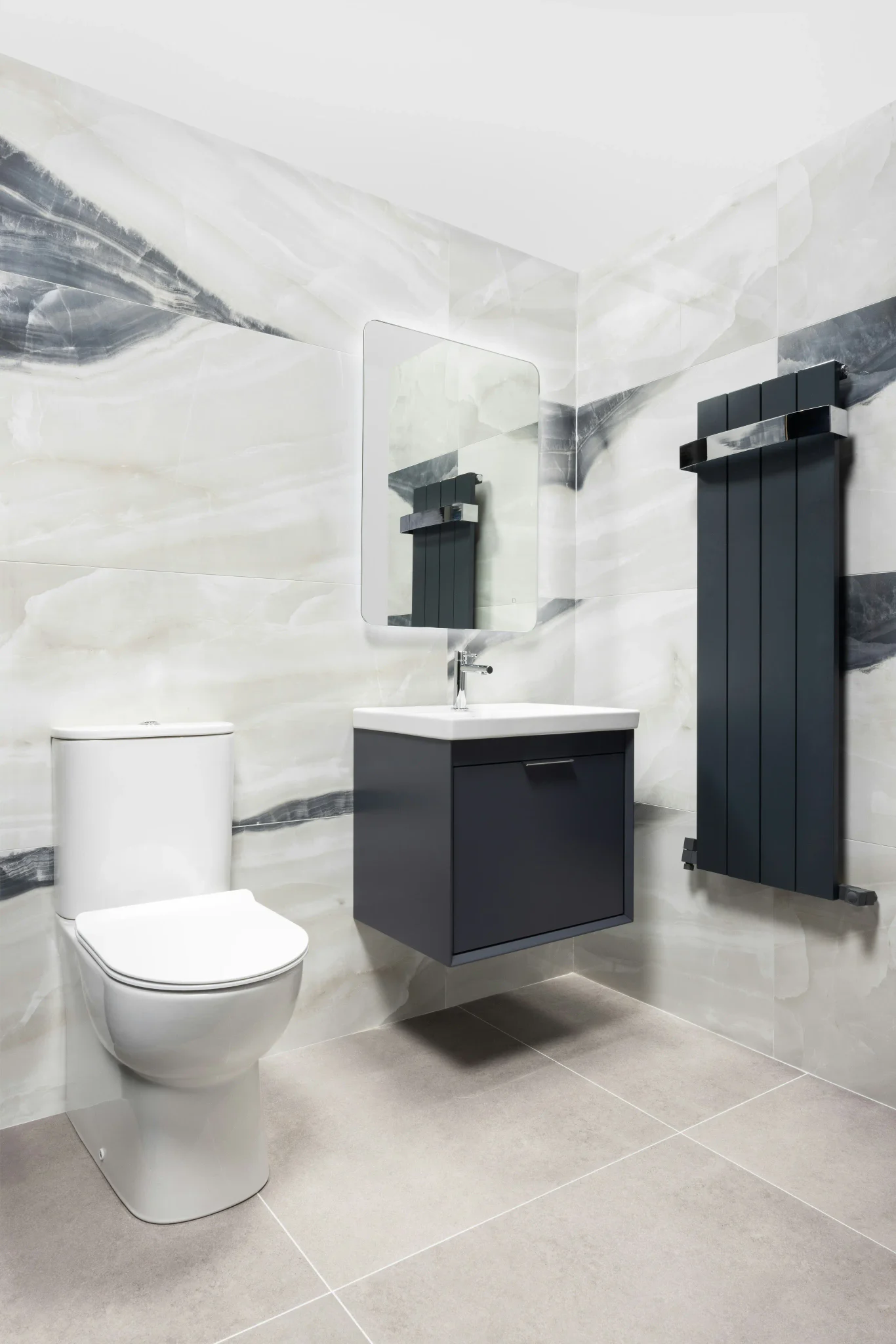
Full bathroom remodels in Belmont Shore homes, with subfloor reinforcement as needed.
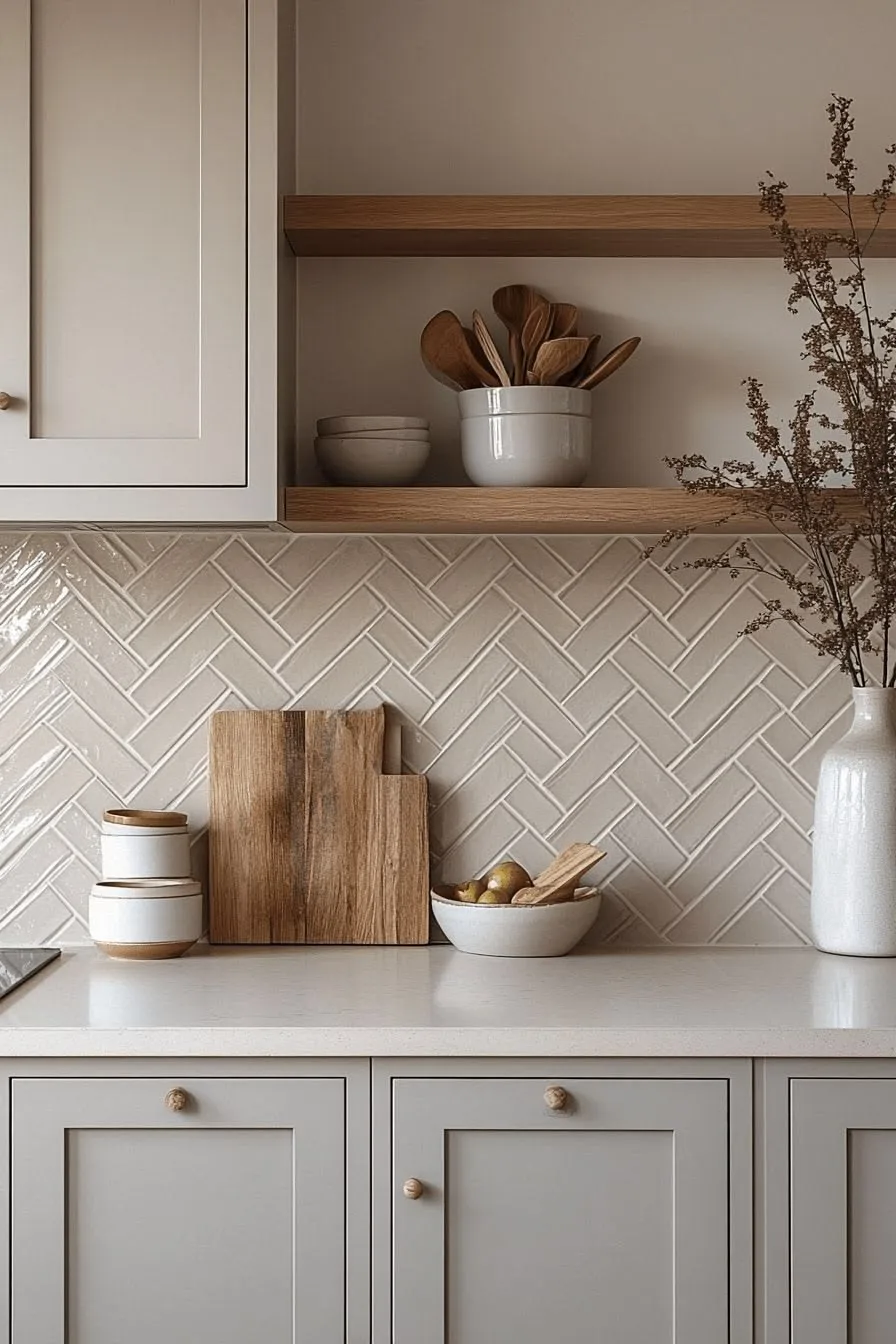
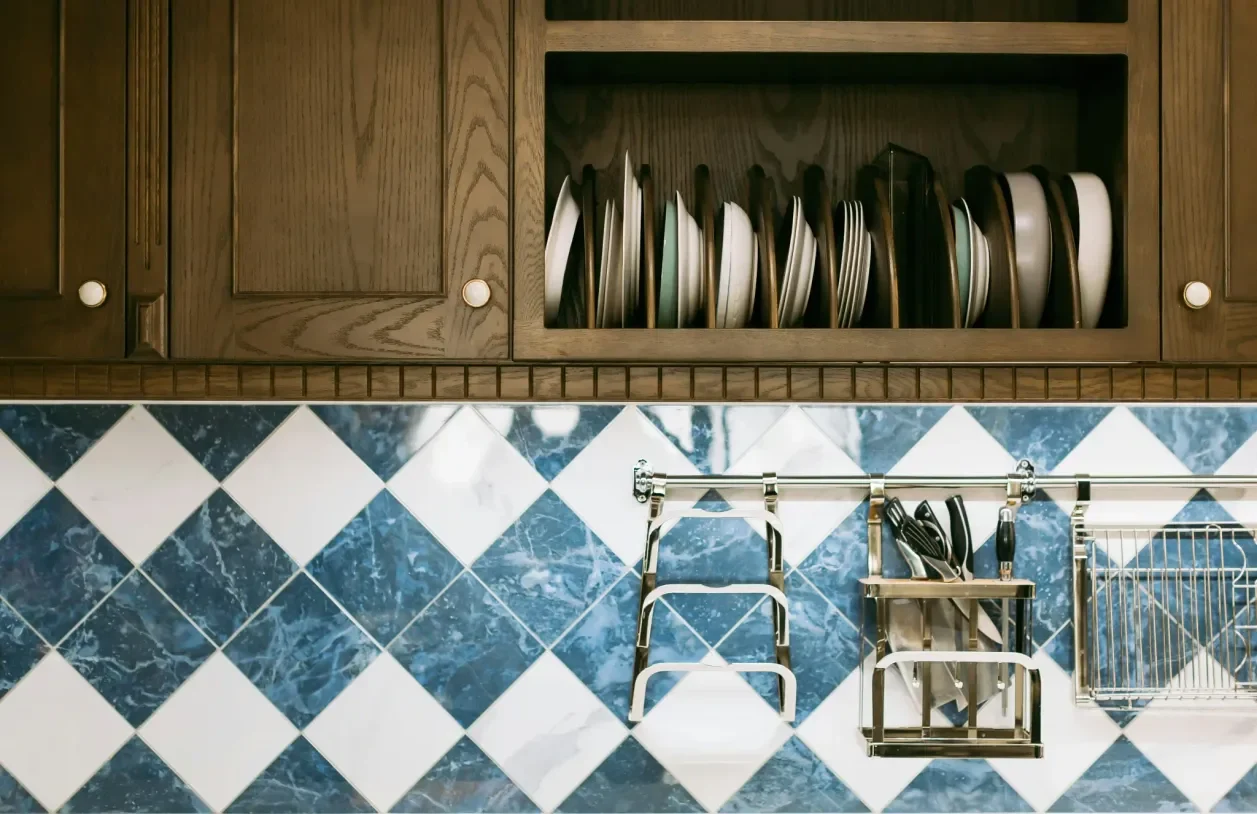
Backsplash tile that works with the character of older Belmont Shore kitchens.
How a Belmont Shore Job Typically Goes
Site visit: We check the subfloor for deflection, look at access (most Belmont Shore homes have narrow side yards and no driveway), and confirm parking logistics for the wet saw setup.
Prep: Subfloor reinforcement or uncoupling membrane installed as needed. Old tile removed and substrate cleaned. Any soft spots in the subfloor addressed before installation begins.
Install and finish: Tile set, grouted, and sealed. We clean the space at the end of each working day — important in Belmont Shore homes where the work area is close to living spaces.
Belmont Shore FAQ
My Belmont Shore bungalow has original hardwood floors in most rooms but I want tile in the bathroom. Can you tie them together cleanly?
Yes. The transition between hardwood and tile is handled with a threshold or transition strip at the doorway — typically a marble saddle, a metal reducer, or a custom-cut tile piece depending on the height difference. We measure the existing hardwood height and plan the tile installation depth to minimize or eliminate any raised edge at the transition.
Can you work in tight spaces? My bungalow's bathroom is very small.
Small bathrooms are common in Belmont Shore. We're set up for them — compact tools, careful material staging in adjacent rooms, and a methodical room-section approach that keeps the space workable throughout the job. Smaller bathrooms also benefit from larger tile (counterintuitively) because fewer grout lines make the space read as larger.
Are there parking restrictions on Second Street for contractor vehicles?
Second Street has metered parking and time limits during business hours. For jobs along the commercial corridor, we typically arrange a temporary no-parking permit through the City of Long Beach for the duration of the project, which covers our vehicle and the wet saw setup. For residential work on the side streets, we usually find adequate parking without a permit but plan around street sweeping days.
My house is over 80 years old. Is there anything special to consider before tiling?
Homes built before 1978 may have lead paint on walls and asbestos in existing floor tile, adhesive, or mastic. If we're removing old flooring, we assess this before demo begins. Asbestos-containing materials require specific handling protocols. We can advise on testing and remediation resources if needed before the tile work starts.